Shopping Cart



Follow us on social media…
© 2024 A-T Products. All Rights Reserved
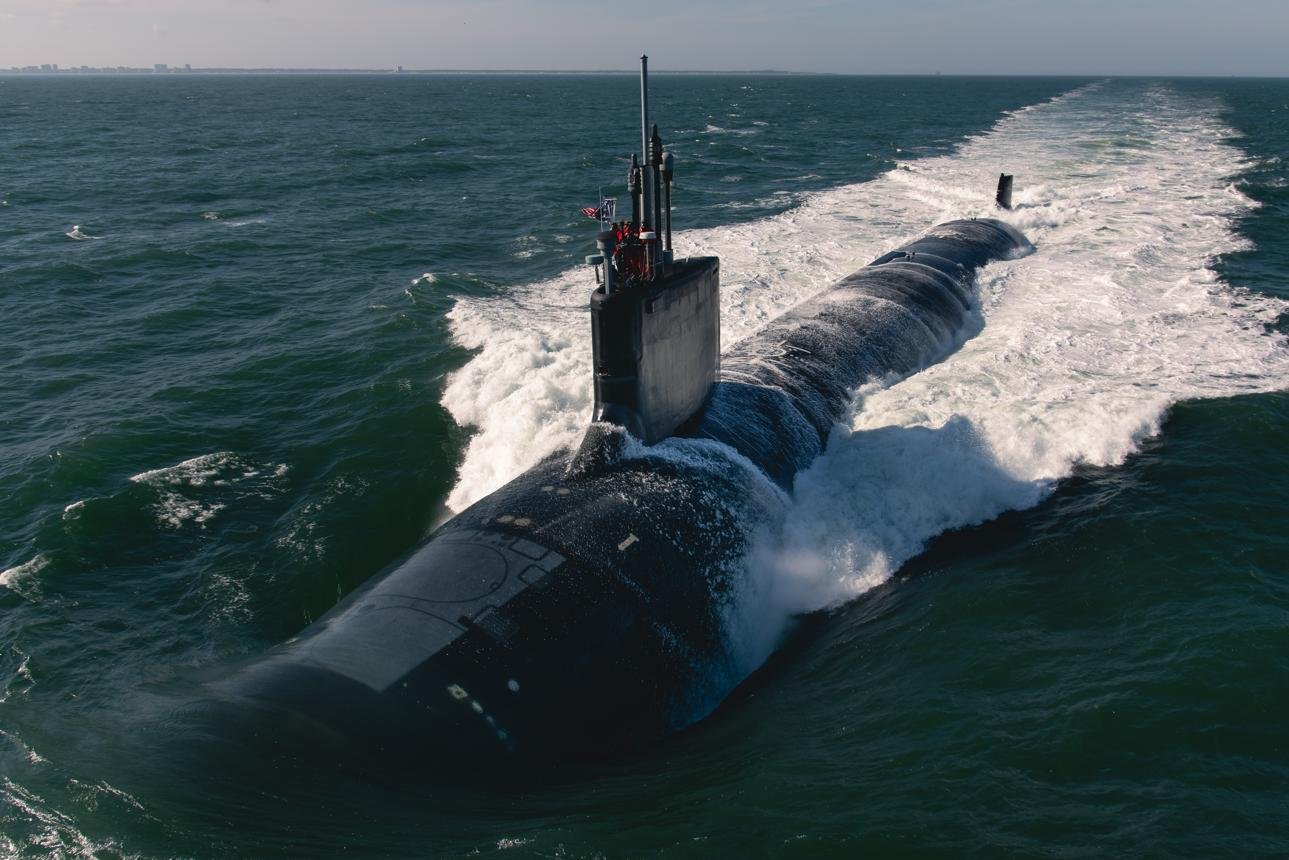
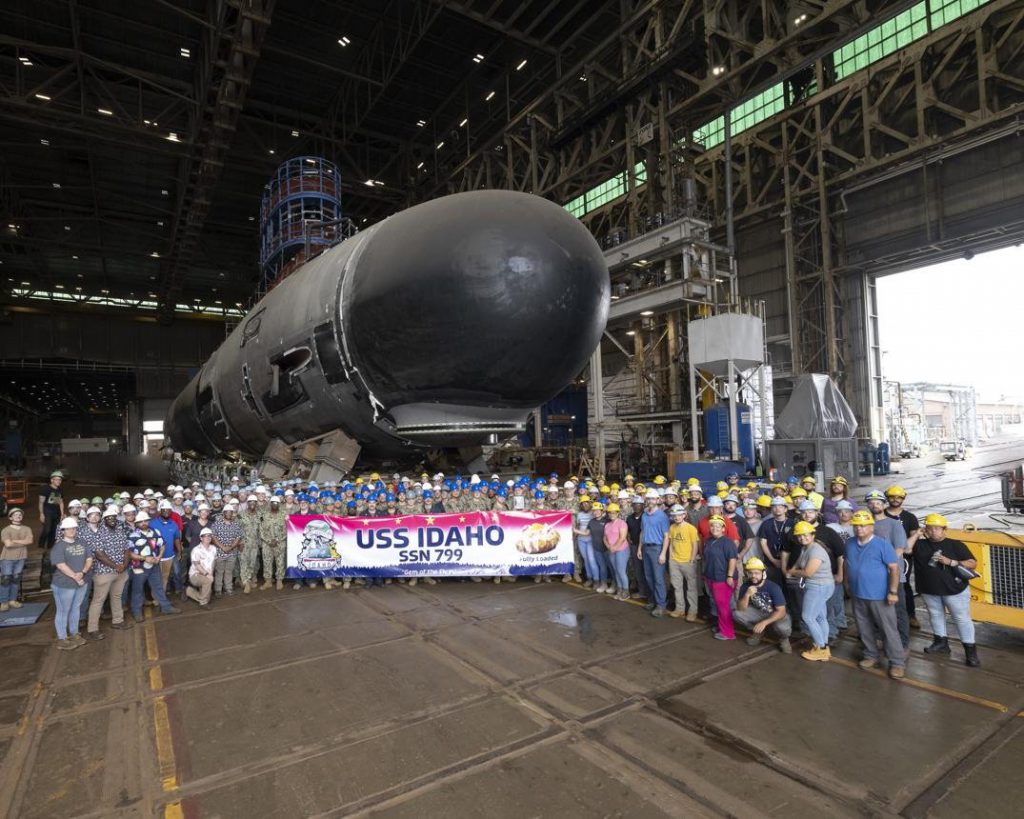
On April 25, 2026, the U.S. Navy formally commissioned USS Idaho (SSN 799) at Naval Submarine Base New London in Groton, Connecticut—welcoming the newest nuclear-powered fast-attack submarine into active service.
This milestone marks the culmination of years of design, construction, and testing, and it places Idaho among the most advanced warships ever built. As the 26th submarine of the Virginia class and part of the Block IV configuration, Idaho represents both continuity and evolution in U.S. undersea dominance.
From Keel to Commissioning
The journey of USS Idaho reflects the complexity of modern naval shipbuilding:
Built through a partnership between General Dynamics Electric Boat and Newport News Shipbuilding, the submarine embodies the collaborative industrial base required to sustain U.S. naval power.
At approximately 377 feet long and displacing around 7,800 tons, Idaho carries a crew of roughly 130–150 sailors and is designed for global deployment across a wide range of missions.
Mission and Capabilities
USS Idaho is not just a submarine—it is a multi-mission platform capable of:
Its advanced sonar systems, stealth design, and weapons suite allow it to operate undetected in contested waters, making it a critical tool in modern naval strategy.
The Virginia Class: Backbone of the Submarine Force
The USS Idaho belongs to the Virginia-class fast-attack submarine program, the U.S. Navy’s primary undersea warfare platform for the 21st century.
Why the Virginia Class Matters
Developed to replace older Los Angeles-class submarines, the Virginia class is designed for flexibility in both open-ocean and littoral (coastal) environments. Key features include:
These submarines are often described as among the most advanced warships in the world, combining stealth, firepower, and adaptability.
Evolution by “Blocks”
The Virginia class has evolved through a series of production “blocks,” each introducing improvements:
Block I & II (Early 2000s)
Block III (2010s)
Block IV (Late 2010s–2020s)
Block V (Current & Future)
Strategic Context
The commissioning of USS Idaho comes at a time when undersea warfare is increasingly central to global security. The U.S. Navy is prioritizing submarine production to maintain an edge over near-peer competitors, while also supporting alliances such as AUKUS.
Virginia-class submarines are expected to remain the workhorse of the fleet for decades, bridging the gap between legacy platforms and future next-generation designs.
A Symbol of Modern Sea Power
The commissioning ceremony itself—rich in naval tradition—symbolizes more than the addition of a new vessel. When USS Idaho was ordered “to man our ship and bring her to life,” it became a living part of the fleet, ready to deploy anywhere in the world at a moment’s notice.
As the 26th Virginia-class submarine, Idaho reinforces a simple reality:
control of the undersea domain remains one of the United States’ greatest strategic advantages—and platforms like the Virginia class ensure it stays that way.